A Safe Place for the Truth to Connect
What a fused jump ring can teach us about permanent jewelry, honesty, and parenting.
Permanent jewelry begins with a surprisingly small piece of metal.

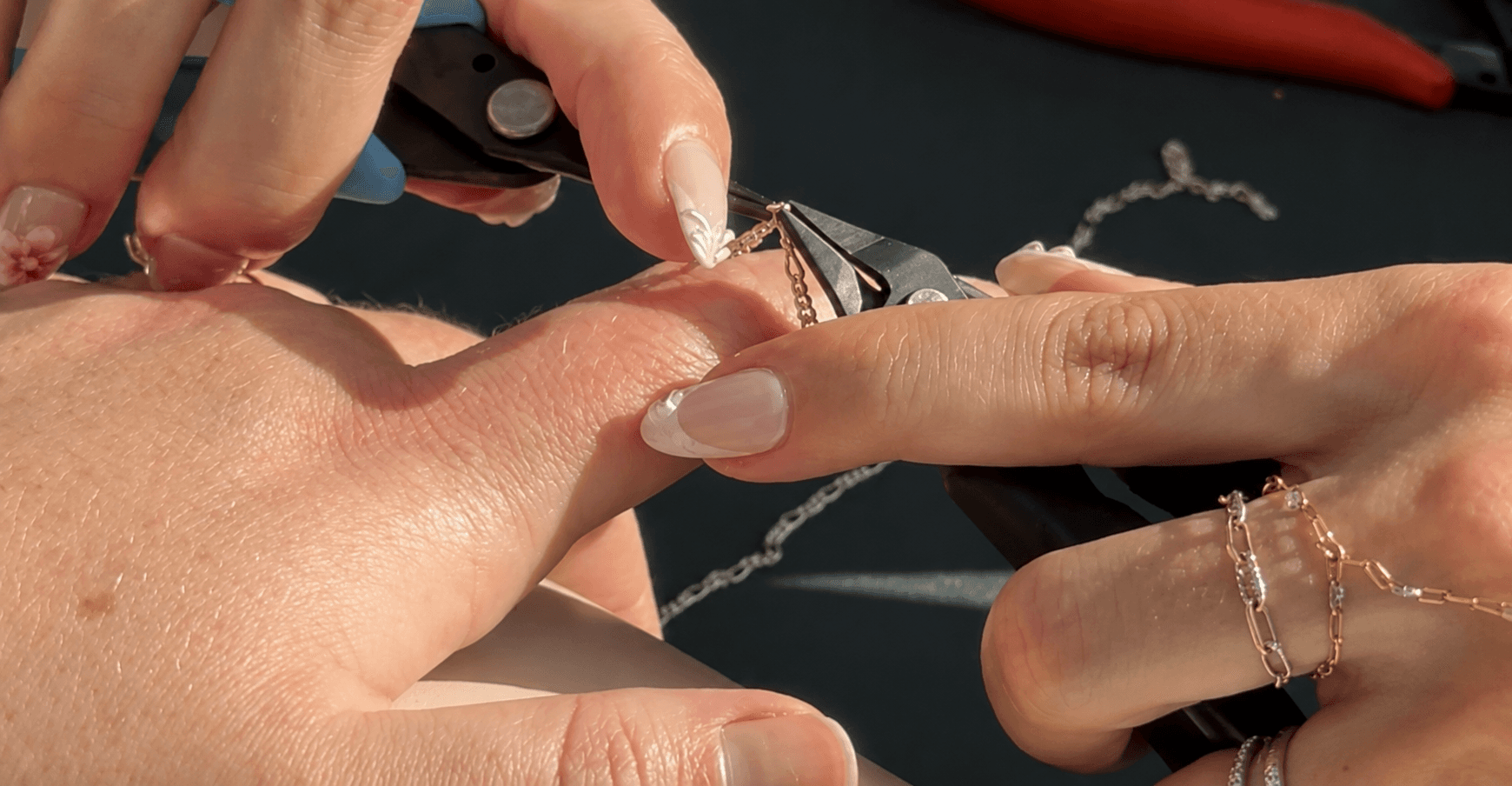
After a chain is measured and custom fitted, its two ends are joined by a jump ring. That ring is then carefully fused closed, creating one continuous piece designed to remain with the person wearing it.
The process happens quickly, but it isn’t careless. The energy has to be directed precisely at the opening in the ring. Too little, and the connection may not hold. Too much in the wrong place, and the surrounding chain could be affected. The goal is not simply to apply heat. It is to use the right amount, in the right place, for the right reason.
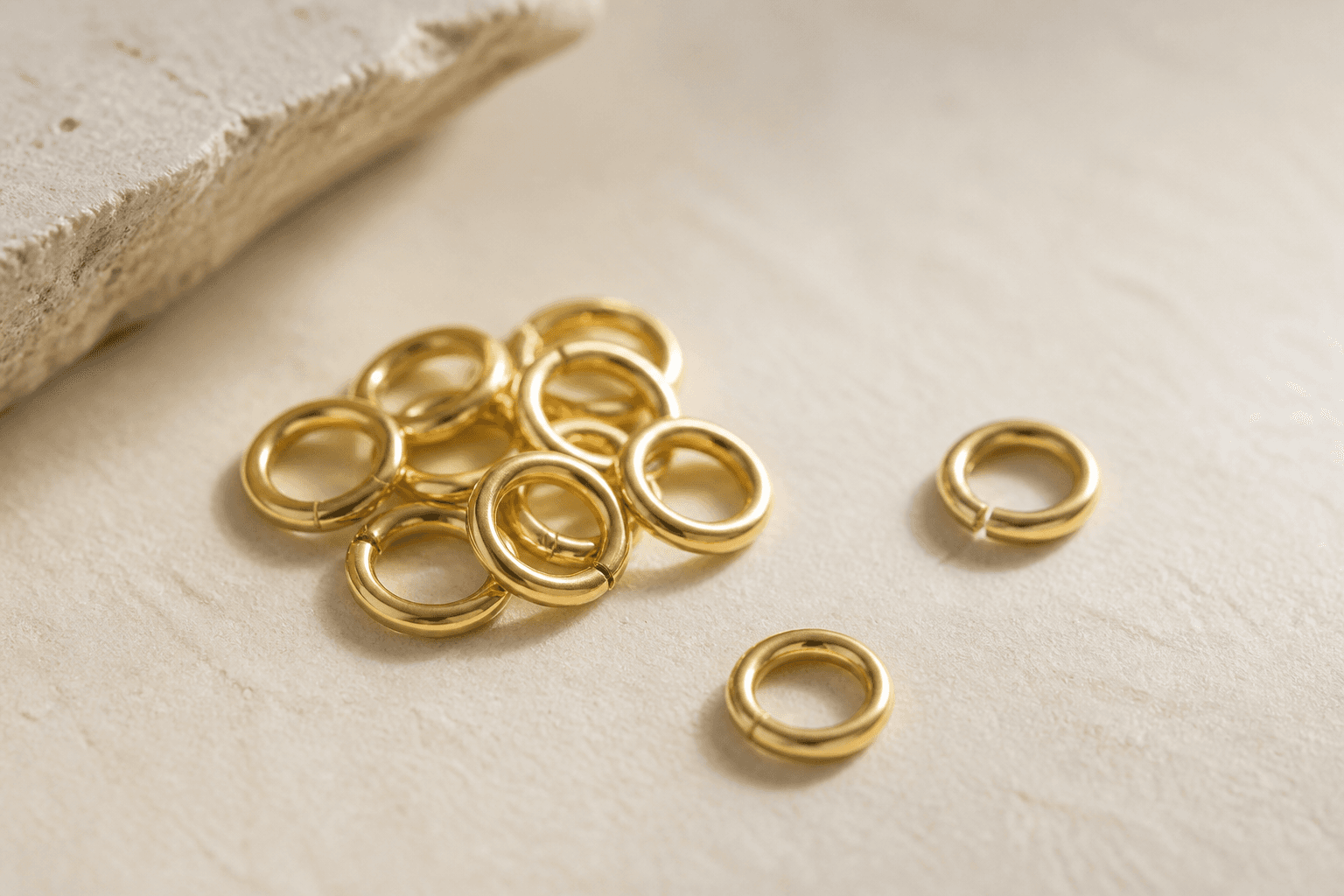
Once fused, the connection can be difficult to spot. To anyone admiring the finished bracelet, it may look like just another link. But the person who created it knows where the two sides came together—and how much of the piece depends on that tiny point being treated with care.
We talk often about making permanent jewelry, but the truth is that permanent doesn’t mean unbreakable. It means the piece was intentionally connected. It can still respond to pressure. It can still require attention. And if something happens, it can often be repaired.
I’ve started to wonder whether some of the most important moments in parenting work much the same way.
When a child tells a lie—or when we discover one—the temptation is to focus entirely on the opening. We see the place where trust did not hold, and our instinct may be to apply as much pressure as possible so they understand the seriousness of it.
But more heat does not always create a stronger connection.
A child who feels frightened, cornered, or ashamed may certainly learn that lying has consequences. They may also learn to make the opening harder to find next time. The lesson becomes less about telling the truth and more about constructing a better story.
That does not mean dishonesty should be ignored. A jump ring that has not closed properly still needs attention. It means the response should serve the connection we are trying to protect.

A safe parent can still ask difficult questions. A safe parent can establish boundaries and give appropriate consequences. Safety does not mean that every choice is accepted; it means the child understands that the truth will not cost them their dignity, security, or place within the family.
Maybe, before asking only, “Why did you lie to me?” we can also ask, “What made the truth feel difficult to bring here?”
The answer does not erase responsibility. It shows us where care is needed.
In a permanent bracelet, the jump ring may be one of its smallest components, but it carries an enormous responsibility: it must bring two sides together without harming either one.
Parents are asked to do something similar. We are not merely trying to expose every opening. We are trying to become the place where our children can bring the truth—even an uncomfortable truth—and trust that the connection will still be there afterward.
The goal is not to make dishonesty comfortable. It is to make honesty safe enough to choose.
Because sometimes the strength of a bond is revealed not by whether it ever opens, but by how carefully we bring both sides back together.